

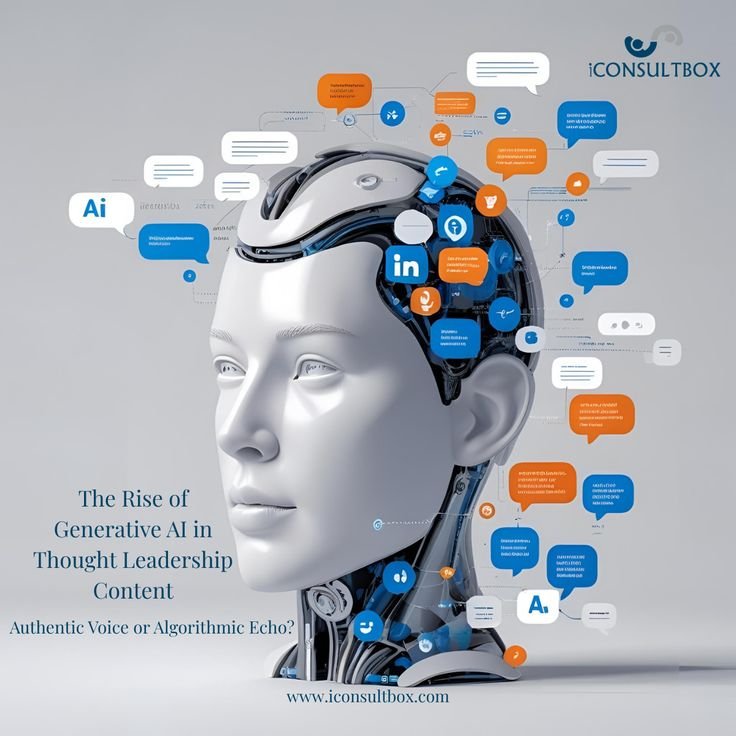
Generative AI is one of the most discussed technologies of the decade. From creating realistic images to writing emails, generating music, designing ads, and even building apps, this new wave of AI is transforming how people work, create, and innovate. In 2025, generative AI is no longer just a tech trend—it’s a practical tool being used across industries and everyday life.
If you’ve been curious about what generative AI is, how it works, and why it matters, here’s everything you need to know.
1. What Exactly Is Generative AI?
Generative AI refers to systems that can generate content—including text, images, audio, video, and even 3D models—based on the data they were trained on.
It doesn’t just analyze information; it creates new content from scratch.
Common examples:
- Chatbots that write messages, articles, and code
- Image generators that create art or product designs
- Tools that produce music or voiceovers
- Video generators for marketing, tutorials, or animation
In simple words: Generative AI acts like a creative assistant that works at incredible speed.
2. How Does Generative AI Work?
Generative AI models learn from large amounts of data—text, images, sounds, etc.—and detect patterns within them. Once trained, they can create new content that mirrors the characteristics of what they learned.
Key technologies behind it:
- Large Language Models (LLMs) for text
- Diffusion models for images and videos
- Transformer networks for advanced pattern understanding
- Neural networks that simulate human-like learning
While the technology is complex, its purpose is simple: help users create faster, easier, and more efficiently.
3. Why Has Generative AI Become So Popular?
Generative AI exploded because it makes high-level creativity available to everyone—no technical skills required.
Key reasons for its massive rise:
- Boosts productivity: Automates writing, research, and planning.
- Saves time: Creates drafts, designs, and ideas instantly.
- Highly accessible: Available through apps, browsers, or phones.
- Cost-effective: Reduces the need for expensive creative tools.
- Scalable: Works for individuals, students, and large businesses alike.
From small creators to global companies, everyone is using generative AI to work smarter.
4. Real-World Uses of Generative AI in 2025
Generative AI isn’t limited to tech experts. It’s being used across many fields:
🌟 Content Creation
- Blog writing, social media posts, captions
- Ad copywriting and brand messaging
- Scriptwriting for videos and podcasts
🎨 Design & Creativity
- Logo concepts and product mockups
- Custom art and illustrations
- UI/UX design assistance
📈 Business & Productivity
- Market research summaries
- Automated emails and report generation
- Document drafting and editing
🎵 Entertainment & Media
- AI-generated music
- Video generation for reels, ads, and films
- Virtual characters and digital influencers
👨⚕️ Healthcare
- Drafting medical notes
- Helping analyze patient data
- Supporting diagnostic workflows
Generative AI is touching nearly every industry—and its impact is only growing.
5. Benefits of Generative AI for Everyday Users
Even if you’re not a tech professional, generative AI offers meaningful advantages.
Convenience
It helps simplify daily tasks—from writing a message to planning a trip.
Creativity Boost
You can turn ideas into visuals, stories, or music within seconds.
Learning Support
Students can use AI to understand tough topics, summarize books, or generate study notes.
Productivity
Workflows become faster and more efficient with automated drafts and suggestions.
6. Challenges and Limitations You Should Know
While generative AI is powerful, it’s not perfect.
Concerns include:
- Sometimes producing inaccurate or outdated information
- Risk of biased outputs
- Dependence on training data quality
- Misuse for fake content or misinformation
Understanding these limitations helps users rely on AI more responsibly.
7. What’s Next for Generative AI?
Generative AI will keep advancing, becoming even more intuitive and useful.
Future developments to expect:
- More accurate and creative responses
- Better personalization based on user habits
- Smarter voice-based interactions
- AI integrated deeply into home appliances and cars
- Industry-specific AI tools for finance, health, travel, and more
The next era of technology will be defined by collaboration between humans and AI.
Final Thoughts
The rise of generative AI marks a major shift in how we create, learn, and interact with technology. It empowers individuals with creativity, simplifies complex tasks, and speeds up innovation across industries.
Whether you’re a student, a professional, a creator, or a business owner, generative AI offers tools that can elevate your day-to-day life. As the technology continues to grow in 2025 and beyond, understanding its potential will help you take full advantage of what’s coming next.
