

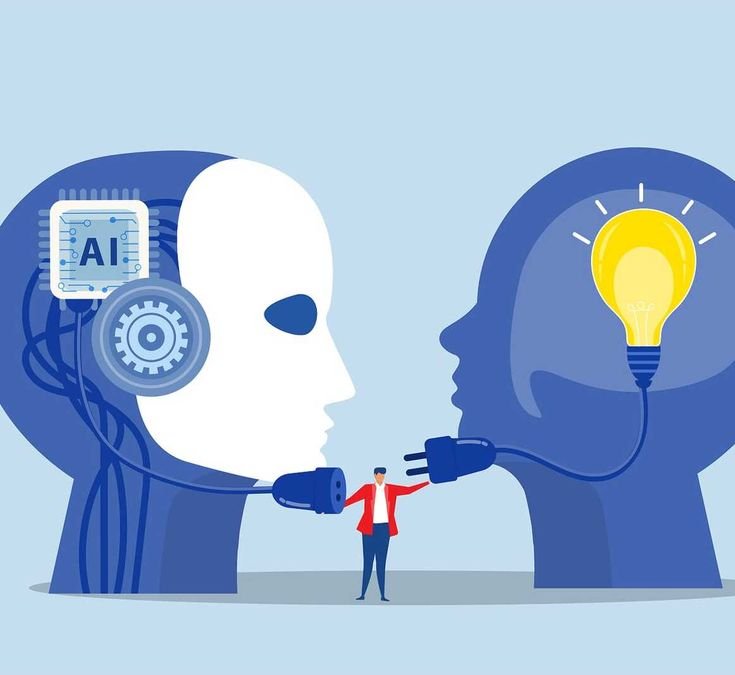
Artificial Intelligence is no longer a futuristic concept—it’s a part of our daily lives. From the phones we carry to the apps we use and even the appliances in our homes, AI is transforming how we work, communicate, shop, and live. In 2025, AI is expected to become even more deeply woven into everyday tech, offering smarter, faster, and more personalized experiences.
Here’s a closer look at how AI is shaping the world around us and what to expect in the coming years.
1. Smart Devices Are Becoming Truly “Intelligent”
Smartphones, TVs, speakers, and wearables are now powered by advanced AI algorithms that learn user habits and anticipate needs.
Examples of real-life improvements:
- Phones that adjust brightness, audio, and battery settings automatically based on usage.
- Smartwatches that detect health patterns like stress, sleep quality, and workout efficiency.
- TVs that recommend shows based on mood, viewing time, and behavior rather than basic categories.
AI is making devices less manual and more intuitive, helping users save time while improving convenience.
2. Voice Assistants Are Evolving Into Personal Companions
Voice assistants like Alexa, Google Assistant, and Siri are becoming more conversational and context-aware.
What’s changing in 2025:
- More natural responses and emotional tone.
- Ability to complete multi-step tasks in one command.
- Better personalization—knowing user preferences and daily routines.
- Improved privacy and on-device processing.
Voice assistants are moving from simple question-answer tools to true digital helpers that manage calendars, control homes, and assist with work.
3. AI-Powered Content: Smarter Recommendations Everywhere
Whether you’re using YouTube, Netflix, Spotify, or any social platform, AI determines what you see next.
Why this matters:
- More relevant content suggestions.
- Less time wasted searching.
- More accurate recommendations based on mood, tastes, and habits.
AI-driven personalization is now a major part of entertainment, learning, shopping, and even news consumption.
4. AI Is Transforming Home Appliances
2025 is the year home tech becomes significantly smarter.
Examples of modern AI-powered appliances:
- Refrigerators that track inventory and suggest recipes.
- Washing machines that choose water level, detergent quantity, and wash mode.
- Air conditioners that adjust cooling automatically based on temperature and occupancy.
- Robotic vacuums that map rooms and clean more efficiently.
AI helps appliances work better, consume less energy, and operate with minimal human input.
5. Work & Productivity Tools Are Becoming AI-Driven
From writing emails to managing projects, AI tools are now central to workplace productivity.
Key advancements:
- Auto-generated summaries for long documents.
- AI scheduling assistants.
- Tools that improve presentations, writing, design, and data analysis.
- Real-time language translation for global communication.
AI is helping professionals work faster and smarter without needing specialized skills.
6. AI in Healthcare: Preventive and Personalized Care
AI-powered tech is making healthcare more accessible and efficient.
Emerging changes:
- Smartwatches delivering early warnings for heart rate irregularities.
- AI-based apps analyzing sleep patterns and stress levels.
- Virtual health assistants for monitoring symptoms.
AI is moving healthcare from reactive treatment to predictive care.
7. AI and Transportation: Smarter, Safer Mobility
Cars and mobility systems now rely heavily on AI.
What’s improving:
- Real-time traffic predictions.
- Driver-assist features like lane control and emergency braking.
- Better route planning for fuel efficiency.
- More accurate ride-hailing and navigation systems.
AI is making transportation smoother, safer, and more sustainable.
8. The Future: Hyper-Personalized Tech Ecosystems
By 2025 and beyond, tech will revolve around one core idea—personalization.
What to expect:
- Devices that know your routines and adapt automatically.
- Apps that learn preferences and improve over time.
- Home systems that sync everything—lights, music, temperature—based on your presence.
- Work tools that enhance your productivity without extra effort.
AI is creating a world where technology feels more human, intuitive, and helpful.
Final Thoughts
AI is not just transforming gadgets—it’s transforming lifestyles. From smart homes and personalized apps to advanced workplace tools and healthcare improvements, AI is shaping a future where technology adapts to you, not the other way around.
As we move deeper into 2025, one thing is clear:
AI-powered everyday tech is here to stay, and it’s only getting smarter.
