

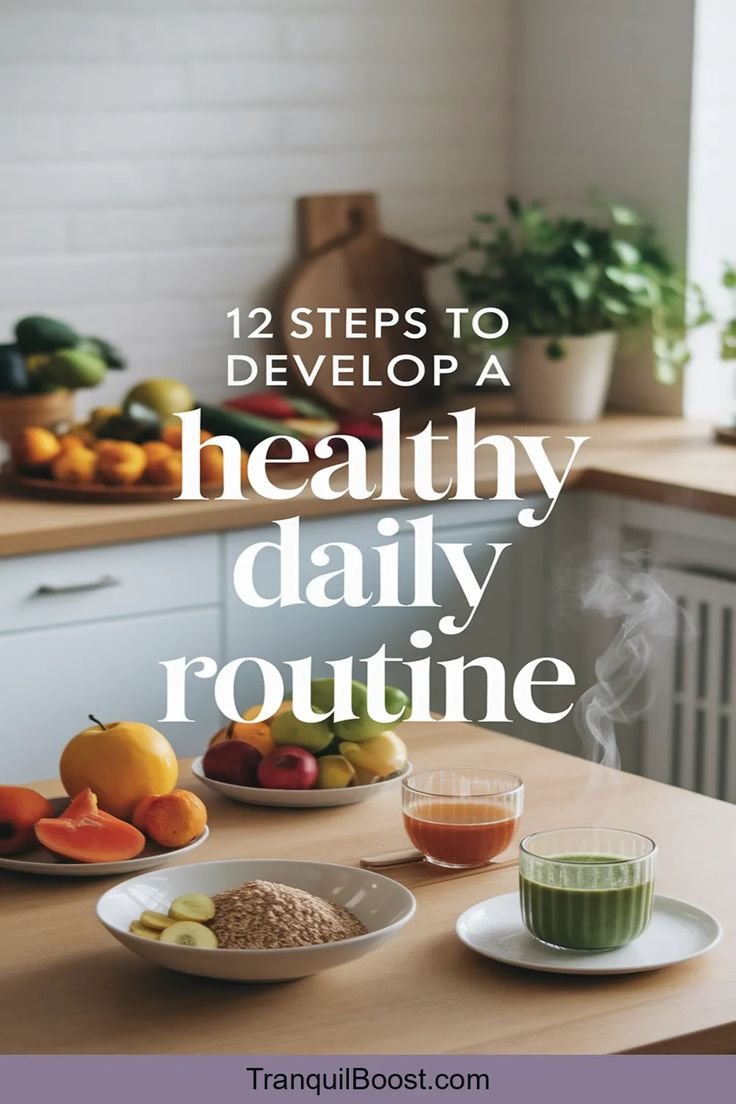
In the last few years, our daily routines have transformed more dramatically than in the previous decade. The way we work, unwind, stay healthy, shop, and even socialize has shifted into a more hybrid, tech-enabled, and wellness-focused lifestyle. Today, lifestyle trends are no longer just about fashion or décor— they reflect deeper cultural shifts in how people balance productivity, health, and personal fulfillment. From flexible work environments to mindful self-care rituals, these trends are shaping what “modern living” truly looks like in 2025.
In this blog, we explore the biggest lifestyle movements that are redefining our routines — and how they influence everything from career choices to home setups.
1. The Rise of the Hybrid Lifestyle
The hybrid lifestyle emerged during global shifts in work culture, but it has now evolved into a permanent and intentional way of living. People are increasingly blending personal and professional worlds with more purpose.
Flexible Work Models Are Here to Stay
Remote and hybrid work are no longer perks— they are expectations for millions of professionals. With companies realizing the benefits of reduced overhead and improved work satisfaction, flexible schedules provide individuals with more control over their day. Instead of rigid 9-to-5 routines, people now create personalized blocks of deep work, creativity, exercise, and rest.
Multi-Purpose Living Spaces
Because our homes now serve many roles—office, gym, café, and relaxation zone—interior design trends are shifting toward functional flexibility. Movable desks, ergonomic chairs, foldable fitness equipment, and noise-reduction setups are in demand. People want spaces that support both productivity and peace.
2. Wellness as a Priority, Not a Luxury
Wellness used to be optional or aspirational. Today, it has become the foundation of a balanced lifestyle, expanding far beyond fitness into mental, emotional, and environmental wellbeing.
Mindfulness and Mental Health Practices
Meditation apps, journaling, breathing exercises, and calming digital tools have gone mainstream. People schedule “mental resets” the same way they schedule meetings. This isn’t just a trend— it’s a cultural shift toward recognizing that mental clarity directly affects performance and quality of life.
Holistic Fitness: Beyond the Gym
Home workouts, yoga, pilates, virtual classes, and outdoor wellness routines continue to rise. Instead of chasing extreme results, individuals are now prioritizing stamina, mobility, and stress reduction. Wearable fitness trackers are also shaping how people monitor sleep quality, heart rate variability, and daily movement, making wellness more data-driven.
Nutritional Awareness and Clean Eating
The modern routine embraces clean eating, plant-forward meals, and functional foods that support energy and immunity. People are choosing mindful eating habits, reducing processed food intake, and opting for routines like intermittent fasting or balanced macro diets. The kitchen has become a place where health goals take shape every day.
3. The Modern Workspace: Designed for Balance
Workspace trends have undergone a revolution. Whether at home, in co-working hubs, or hybrid offices, the focus is now on creating supportive environments that reduce burnout and enhance performance.
Ergonomics Matter More Than Ever
With more hours spent at screens, people are investing in ergonomic tools: adjustable desks, back-support chairs, laptop stands, and blue-light glasses. The goal is simple—work longer without harming posture or mental focus.
Tech That Simplifies, Not Complicates
Digital clutter is being replaced by smart systems that streamline tasks. From AI assistants for scheduling to distraction-blocking apps and synchronized workspaces, technology is helping professionals focus on meaningful output instead of endless digital noise.
Work-Life Boundaries Through Smart Design
A key trend is designing separate zones for work and relaxation, even in small homes. People now use color themes, lighting adjustments, soundscaping, and décor elements to mentally switch modes throughout the day. This shift shows how important it has become to protect personal time in a digitally connected world.
4. Slow Living and Intentional Routines
Amid fast-paced schedules and constant connectivity, slow living has gained huge popularity. This trend encourages people to pause, prioritize, and enjoy the present moment.
Digital Minimalism
Reducing unnecessary screen time, decluttering apps, and limiting social media engagement have become core habits. Many adopt digital detox days or “focus mornings” where they avoid devices to reconnect with their thoughts and environment.
Mindful Consumption
From clothing to décor, consumers now prefer quality over quantity. Sustainable fashion brands, second-hand shopping, and eco-friendly home products are influencing purchase decisions. This trend mirrors the broader shift toward conscious consumption and environmental responsibility.
Rituals for Daily Peace
Instead of rushing, people include calming rituals like morning tea routines, evening walks, or gratitude journaling. These small practices add structure and serenity to the day, helping balance productivity with relaxation.
5. Tech-Driven Lifestyles: Smarter, Not Harder
Technology remains a major force shaping modern routines, but people now expect tech that enhances life—not overwhelms it.
Smart Homes with Purpose
Smart lighting, automated appliances, voice assistants, and home security systems are becoming everyday essentials. These tools save time and create a more organized and comfortable living environment.
Health and Productivity Apps
Habit trackers, AI-powered fitness plans, personalized reading apps, and sleep-optimization tools help users stay consistent with their goals. These apps aren’t just trends—they are lifestyle companions.
Virtual Experiences and Learning
Online workshops, remote skill-building platforms, and virtual communities give people access to global experiences from home. Whether learning a new language or joining a live cooking session, technology supports continuous growth.
6. Community, Connection, and Reinvented Social Life
Modern lifestyles blend digital convenience with renewed appreciation for real-world connection.
Micro-Communities and Shared Interests
People now form smaller, interest-based groups—fitness collectives, book clubs, hobby circles, local tours, neighborhood wellness walks. These communities are easier to maintain and more meaningful than large, loosely connected social networks.
Quality Over Quantity in Socializing
Instead of attending many events, people prioritize fewer but deeper social interactions. This helps balance energy levels and reduces social burnout.
The Return of Local Living
There’s a rise in supporting local artisans, small cafés, boutique stores, and neighborhood experiences. As remote work spreads, people spend more time in their communities, fostering stronger local connections.
Final Thoughts: A Lifestyle Built on Balance
From wellness and workspace design to intentional consumption and digital balance, modern lifestyle trends reflect a deeper desire for harmony. People want routines that support success without sacrificing health. They seek convenience without losing authenticity, and technology that assists rather than distracts.
The modern routine is no longer about keeping up— it’s about choosing what truly matters.
As these trends continue to evolve, one thing is clear: the future of lifestyle is flexible, mindful, tech-savvy, and deeply personal. It encourages individuals to build days that nourish both ambition and wellbeing. And in 2025 and beyond, that balance will define the way we live, work, connect, and grow.
