

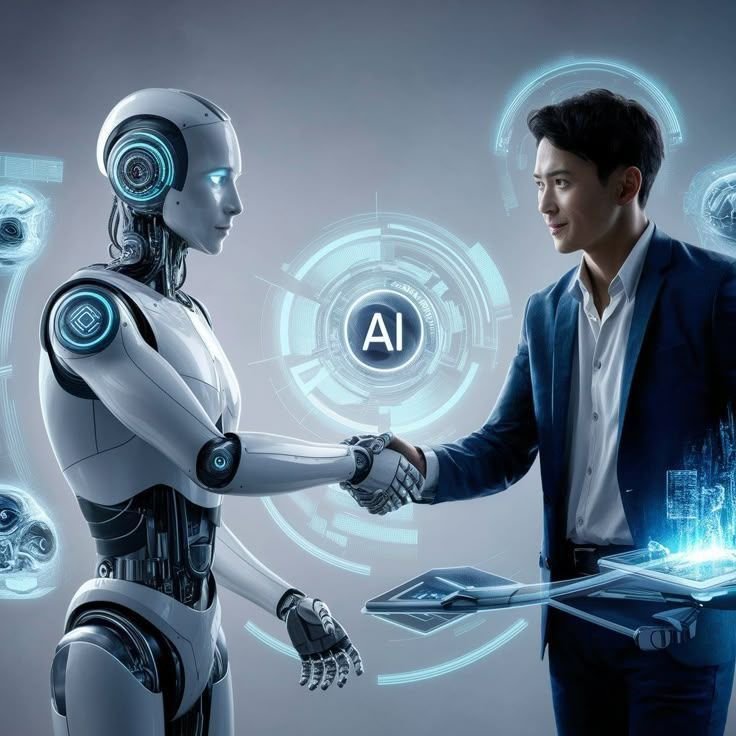
Artificial intelligence is entering a new phase—one defined not just by automation, but by creativity, reasoning, collaboration, and personalization. The first wave of AI focused on completing repetitive tasks, predicting patterns, and offering basic digital assistance. But the next wave, emerging rapidly in 2025, is reshaping how people interact with technology, how content is created, and how digital intelligence becomes an active partner in everyday life.
This new era of AI is not about replacing people but about amplifying human capability. From creative tools that help artists and writers produce more impactful work to intelligent assistants that adapt to consumers’ habits, AI is becoming more intuitive, more contextual, and more deeply integrated into the fabric of daily routines.
This article explores what the next wave of AI means for consumers and creators—and why understanding these shifts is essential as digital intelligence becomes more powerful and more accessible than ever.
1. AI Becomes More Human-Aware and Contextual
The next generation of AI systems can understand context far better than before. Instead of reacting to isolated commands, AI now interprets:
- tone, style, and intent
- long-term user preferences
- emotional signals from text or speech
- environmental and situational cues
For consumers, this means experiences that feel more natural. For creators, it unlocks tools that adapt to their workflow.
What this looks like in everyday life:
- Assistants that adjust communication style based on mood
- Apps that predict user needs based on habits and patterns
- Writing tools that maintain tone consistency across long projects
This shift toward context-aware intelligence marks the beginning of AI as a companion rather than just a tool.
2. AI Multimodality Changes How People Create and Share Content
AI no longer works only with text. Modern systems can process and generate:
- images
- videos
- audio
- code
- 3D objects
- interactive environments
Multimodal AI transforms how creators work across industries.
For creators, this means:
- Faster production of visual assets
- Easier concept prototyping and storyboarding
- Assistive editing tools for video, audio, and animation
- New ways to experiment creatively without expensive equipment
For consumers, multimodality means more interactive, personalized content experiences across apps, websites, and entertainment platforms.
3. AI Is Becoming a Co-Creator—Not Just a Generator
In previous years, AI simply provided outputs based on prompts. Now, AI can collaborate much like a creative partner.
Examples of this shift:
- Writers develop outlines while AI fills in sections or refines tone
- Designers sketch rough ideas and AI expands them into detailed concepts
- Musicians use AI to explore harmonies or test compositions
- Filmmakers use AI to visualize scenes before production
This co-creation model allows people—especially independent creators—to achieve higher-quality results with fewer resources.
4. Personalization Reaches a New Level
AI can now deliver hyper-personalized experiences for consumers. This personalization goes beyond recommendations and adapts dynamically.
Where this matters:
- Shopping: smarter product suggestions based on context, not just history
- Entertainment: content that adjusts to user preferences across platforms
- Learning: adaptive lessons that respond to individual pace and style
- Wellness: apps that identify patterns in sleep, mood, or stress
Consumers get recommendations that feel less generic and more aligned with their goals and personality.
5. AI Agents and Automated Digital Assistants Rise
AI “agents” are emerging—systems capable of performing multi-step tasks across apps and platforms.
Examples:
- Planning travel by comparing routes, booking tickets, and organizing schedules
- Managing paperwork such as scanning, sorting, or summarizing documents
- Automating repetitive creative tasks like captioning videos or resizing assets
- Handling small administrative tasks like appointment reminders or follow-ups
Consumers gain time-saving support, while creators reduce manual workload and maintain focus on high-level creativity.
6. Ethical AI Becomes a Central Focus
As AI grows more powerful, ethical design and usage are becoming essential. This includes:
- transparency in AI-generated content
- fair training methods and data handling
- protection of consumer privacy
- responsible development and disclosure
For creators, ethically using AI ensures trust in their audience. For consumers, ethical AI means better protection of digital rights and personal information.
7. AI Expands Creativity Beyond Traditional Skillsets
One of the greatest benefits of the next AI wave is lowering barriers to creativity. People who may not have traditional skills—such as graphic design, coding, music production, or video editing—can now create high-quality work with AI assistance.
This unlocks opportunities such as:
- Independent filmmaking without large budgets
- Personal blogs or newsletters with professional-level design
- Small businesses producing ads and graphics quickly
- Gamers or writers building worlds and characters visually
Creativity becomes accessible to anyone willing to experiment.
8. Consumers Gain More Control Over Their Digital World
AI helps individuals organize, optimize, and elevate their digital lives.
Examples of AI-led improvements:
- Smart organization systems for photos, emails, and documents
- Cleaner interfaces that adapt to user behavior
- Better accessibility tools for individuals with disabilities
- Voice-activated controls for multitasking and navigation
AI turns digital clutter into streamlined workflows and intuitive environments.
9. AI-Generated Media Evolves Into Immersive Experiences
The new wave of AI can create not just static content but entire interactive experiences. For consumers, this changes how they engage with entertainment, education, and storytelling.
New possibilities include:
- Interactive films where viewers influence scenes
- Personalized story-based games generated in real time
- Immersive educational modules with AI-driven characters
- AI-assisted virtual environments for training or exploration
Creators can build content that adapts to audience behavior—a major shift in digital media.
10. AI Helps Users Learn and Skill Up Faster
AI’s role in skill-building is accelerating. Intelligent learning tools can break down complex topics into personalized steps.
Examples:
- Language learning apps with adaptive conversational AI
- Skill trainers for coding, design, or marketing
- Simulation-based learning for engineering or medicine
- Creative skill enhancement tools that analyze user work and give feedback
Consumers can improve professionally or personally with more customized learning experiences.
11. The Next Phase: AI as a Daily Life Companion
AI is gradually becoming something closer to a companion—supportive, responsive, and aligned with user needs. This doesn’t mean sentient machines but sophisticated assistants that can help navigate daily life.
Future developments likely include:
- Devices that anticipate daily routines automatically
- Digital companions that offer emotional support or encouragement
- More personalized planning and productivity systems
- Seamless integration across home, work, and mobile environments
AI is evolving into a unified presence across all digital touchpoints.
What This Means for Consumers
Consumers will experience:
- more convenience and efficiency
- higher personalization
- safer and smarter digital environments
- faster decision-making tools
- better control over their devices and content
AI will continue to assist with tasks, enhance digital experiences, and support personal growth.
What This Means for Creators
Creators gain access to:
- powerful toolkits that enhance creative potential
- faster content production cycles
- cheaper and more accessible tools for design, writing, and editing
- global reach through AI-driven insights and optimization
- the ability to explore new formats and interactive experiences
AI doesn’t replace creators—it multiplies what they can achieve.
Conclusion: A Future Defined by Partnership Between Humans and AI
The next wave of AI marks the transition from automation to augmentation, where intelligence works alongside people to elevate creativity, productivity, and personal empowerment. Consumers gain more intelligent tools for daily life, while creators experience newfound freedom to experiment, innovate, and deliver more impactful experiences.
As AI becomes more intuitive, multimodal, and human-centered, it is shaping a future where people spend less time on routine tasks and more time doing what matters—thinking, creating, exploring, and connecting.
This new era of intelligence is not about machines becoming more human—it’s about humans becoming more capable with the support of intelligent technology.
