

Introduction
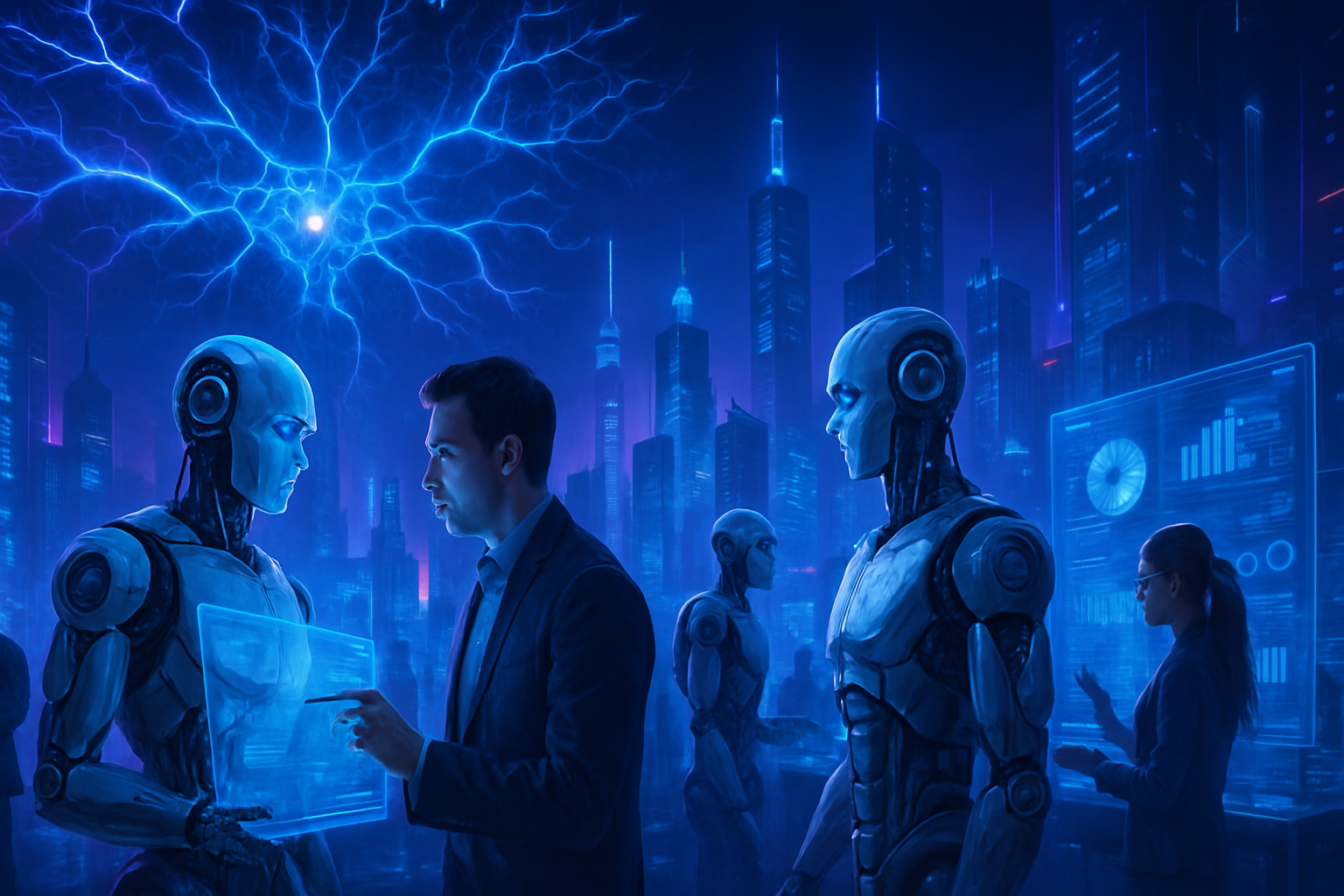
Artificial Intelligence (AI) has rapidly evolved from a futuristic concept to a daily reality. From smart assistants like Alexa to self-driving cars and advanced analytics, AI is now a driving force of change in almost every industry. By 2030, experts predict that AI will reach new heights—transforming healthcare, education, business, and even our personal lives.
This blog explores how AI will shape the world by 2030 and what we can expect in the coming decade.
1. AI in Healthcare: Smarter, Faster, and More Accurate
AI is transforming healthcare in ways that were once unimaginable. Advanced algorithms can now analyze X-rays, MRIs, and genetic data faster than doctors, improving diagnosis accuracy and speed.
How AI Will Help:
- Early disease detection through predictive analytics.
- Personalized treatment based on genetic profiles.
- AI-assisted robotic surgeries with precision.
- Faster vaccine and drug discovery using machine learning.
By 2030, AI-powered healthcare systems will reduce waiting times, cut costs, and make healthcare accessible to more people.
2. AI in Education: Personalized Learning for Every Student
AI is making education more personalized and interactive. Adaptive learning platforms adjust lessons based on each student’s learning style and speed.
Examples of AI in Education:
- AI tutors available 24/7 to help with homework.
- Real-time translation tools for global classrooms.
- Automated grading and feedback systems.
- Virtual reality lessons powered by AI for immersive learning.
By 2030, AI will make quality education available to everyone, regardless of language or location.
3. AI in Transportation: The Era of Smart Mobility
Transportation is one of the most visible sectors being transformed by AI. Self-driving cars are already on the roads, and by 2030, they’ll become mainstream.
Future AI Innovations in Mobility:
- Autonomous vehicles reducing road accidents.
- Smart traffic systems powered by AI for congestion control.
- AI-managed logistics and drone deliveries.
- Intelligent public transport networks that learn from data.
AI will make travel safer, faster, and more sustainable—ushering in an era of connected smart cities.
4. AI in Business: The Rise of the Intelligent Workplace
Businesses are using AI to automate routine tasks, predict trends, and enhance decision-making. By 2030, AI will become an essential business partner, handling everything from HR to marketing analytics.
Key Business Benefits:
- Predictive analytics to forecast market demand.
- Chatbots that handle customer queries 24/7.
- Automated recruitment and resume screening.
- AI-based fraud detection and cybersecurity.
AI won’t just replace jobs—it will create new ones, especially in fields like AI training, data ethics, and machine learning engineering.
5. AI in Daily Life: Smarter Homes and Personal Assistants
By 2030, your home will be more intelligent than ever. AI systems will handle everything from cooking to cleaning to managing your schedule.
Real-Life Applications:
- Smart home devices adjusting temperature and lighting automatically.
- AI wearables monitoring your health in real time.
- Personalized movie and music recommendations based on mood.
- AI-powered shopping assistants predicting your needs.
AI will make everyday life more comfortable, efficient, and personalized.
6. AI Ethics and Challenges: Balancing Innovation and Responsibility
With great power comes great responsibility. AI brings ethical challenges that must be addressed to ensure fairness, privacy, and transparency.
Key Challenges Ahead:
- Data privacy and surveillance concerns.
- Algorithmic bias and discrimination.
- Job automation and skill displacement.
- The need for global AI regulations and accountability.
Governments and companies will need to ensure that AI development aligns with human values and societal good.
7. The Road to 2030: Humans and AI Together
The future of AI is not about replacing humans—it’s about empowering them. By 2030, AI will work alongside people, helping solve complex global challenges such as climate change, poverty, and disease.
When humans and AI collaborate, innovation happens faster, smarter, and more ethically.
Conclusion
AI is redefining how we live, learn, and work. By 2030, artificial intelligence will become an integral part of human progress—making life smarter, safer, and more efficient.
However, as we embrace AI’s potential, it’s essential to build systems that respect privacy, promote equality, and enhance humanity rather than replace it.
The future is not just artificial—it’s intelligently human.
FAQs
1. Will AI replace human jobs?
AI will automate routine work but also create new roles in tech, creativity, and data analysis.
2. Is AI safe for personal data?
Only if used responsibly. Strong data protection and ethical laws are essential.
3. What industries will AI impact most by 2030?
Healthcare, education, transportation, finance, and entertainment.
4. How can I prepare for the AI revolution?
Learn digital skills, stay informed, and embrace AI tools in your field.
5. Will AI ever become self-aware?
Current AI systems lack consciousness. True artificial general intelligence (AGI) is still under research.
